Virtual Reality Applications Across Learning Styles
VR/AR can also have a good application in k-12 teaching. In research from Radianti et al. (2020) learning theory could be categorized, but during the k-12 period, the main types of learning are behavioral learning, experiential learning, generative learning, operational learning, game-based learning, contextual learning, VR/AR can make a big difference in every type of learning.
Behavioral Learning
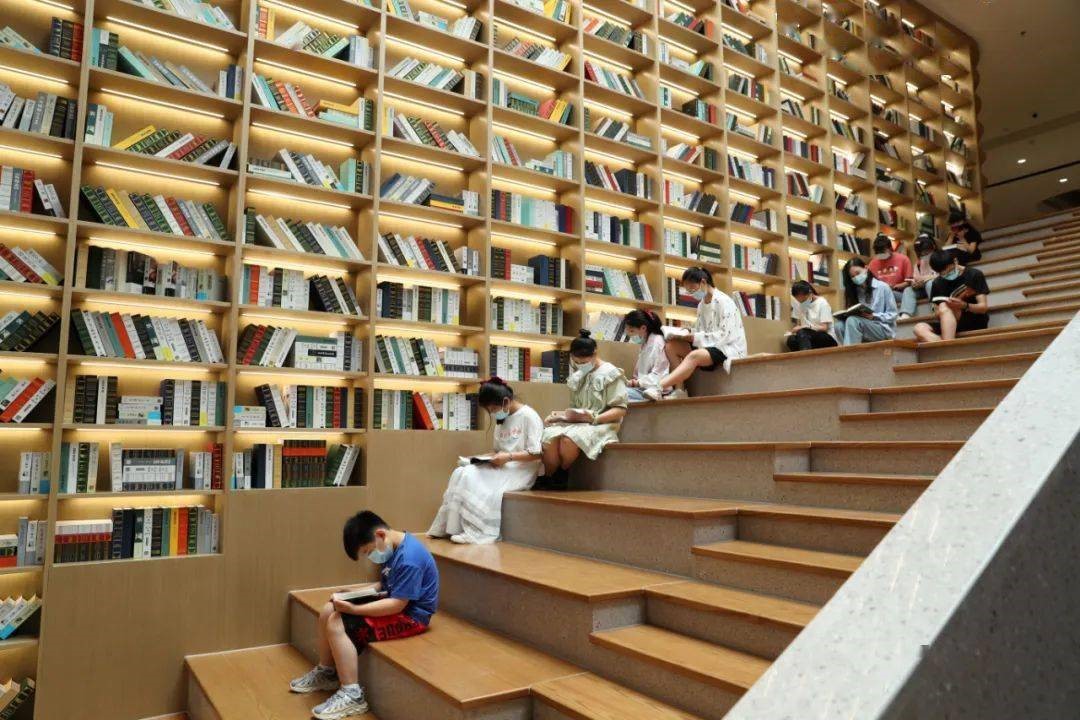
When students receive either rewards or punishments for correct or incorrect answers and can thus learn the consequences of certain behavior (Radianti et al., 2020). Libraries, laboratories, museums and art galleries all have corresponding rules of use, which need to be followed by those who enter these venues. However, often these rules are too many and too detailed, or users do not read and understand them carefully, resulting in improper use, damage to objects, and even harm to users. VR/AR technology can be used to enable users to learn the rules in a timely and efficient manner, saving the time to learn the rules, which is beneficial to both users and venues.
Experiential Learning
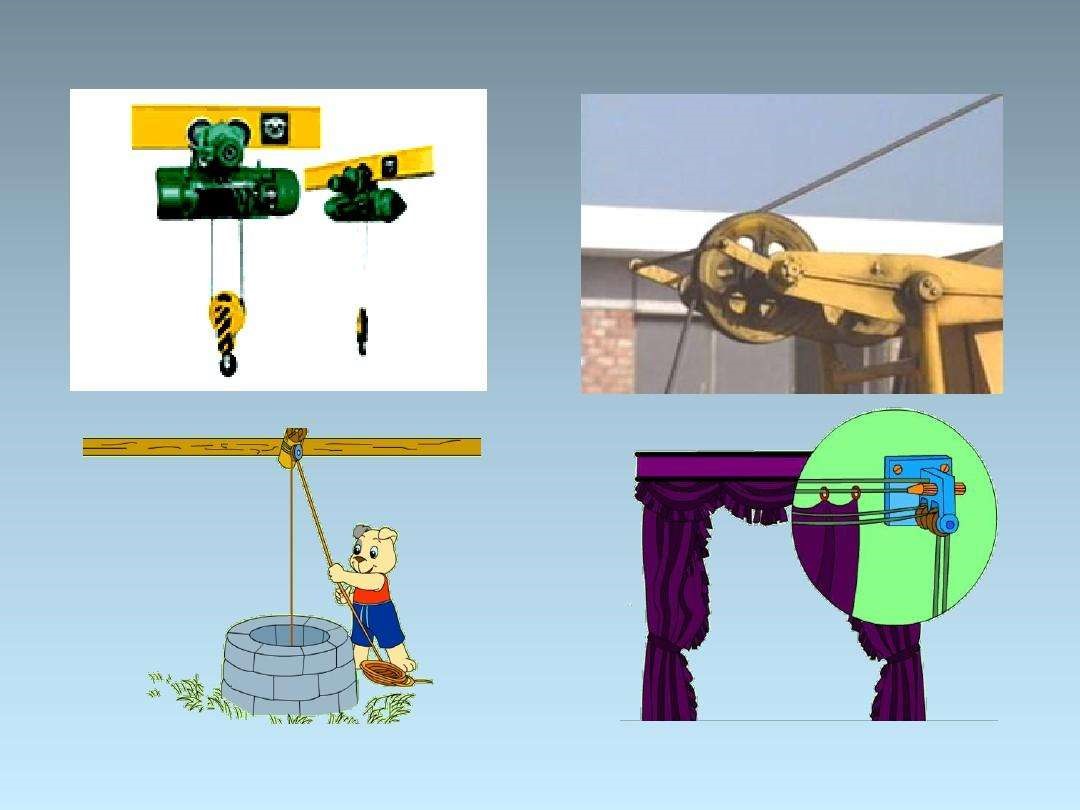
When students learn through hands-on experience and using analytical skills to reflect on their experience (Radianti et al., 2020). For science subject, Science, VR/AR can help science teachers very well. Biology class learning biological diversity, plant growth, maturation and reproduction process, chemical class, the learning pattern, odor and color of different material, physics class to study the role of the block and tackle, the students have special needs to have experience of the real situation, and even more exaggerated than real scene experience, VR/AR can very good help, This is already happening in many playgrounds that are popular with children.

Generative Learning
When students engage in cognitive processing during learning, including selecting (i.e., paying attention to relevant incoming information), organizing (i.e., mentally arranging the information into a coherent structure), and integrating (i.e., connecting the verbal and pictorial representations with one another and with relevant prior knowledge activated from long-term memory) (Radianti et al., 2020). Individual and society's some subjects are mainly about the knowledge and facts that have been in the past, for example, the war and its influence on people's life since ancient times, a host of VR/AR resources can be made according to the history books for students to learn. Climate and geographical features of geography can be videotaped and shared with teachers and students around the world.
Operational Learning
When students learn how to construct or assemble an object, where the students can interact, select, grasp, move, point, and place objects to learn computer assembly (Radianti et al., 2020). Skills are mainly teacher demonstration, students observe, students imitate, and then the teacher corrects, many times to acquire skills. So the student's position is important, and no matter how well positioned the student is, he can only see one side, and the shaded side cannot be seen. VR/AR allows students to watch any aspect, any detail, any number of times at any time.

Game-Based Learning
When students learn through a gamification process, i.e., the use of game design elements and mechanics—such as points, levels, and badges—and game dynamics—such as rewards, statuses, and competition—in the learning process (Radianti et al., 2020). Some knowledge is acquired step by step. For example, learning the development and progress of science and technology, such as reading, as well as the calculation ability of mathematics, these gradually improved knowledge and skills can give students a good experience with the help of VR/AR.
Contextual Learning
When students learn by emphasizing the context, i.e., the set of circumstances that are relevant for the learners to build their knowledge. Hence, the learning content can assist in guiding students toward developing insights through balanced, organic, and successful environments and strategies (Radianti et al., 2020). Some subject knowledge, systematic relatively strong, need from easy to difficult layers of in-depth. For example, the system of computational knowledge in mathematics goes from natural numbers to decimals, to rational numbers, irrational numbers, and finally to real numbers and complex numbers. If you have VR/AR, you can clearly feel the development process, which will help you learn.