Virtual Reality
in K-12, Higher Education & Corporate Training
What is Virtual Reality & How Does it Enhance Learning?
In research from Radianti et al. (2020) "VR can be defined as “the sum of the hardware and software systems that seek to perfect an all-inclusive, sensory illusion of being present in another environment” (Biocca & Delaney, 1995)." A core characteristics of VR technology is the user's immersion, presence, and ability to interact within a simulated environment. This technology promotes a higher level of engagement in learning scenarios and, as Radianti et al. (2020) explain, VR users "acquired better cognitive, psychomotor, and affective skills" in the process. With the use of a Head Mounted Display (HDM) and controllers students are able to enter a learning experience and navigate within the extended reality. Our team was fascinated by the unique applications that virtual reality offered in the realms of learning and development through corporate training, higher education, and K-12 education. On the pages within this site you'll find examples of learning innovations and how this technology adapts to a range of learner needs, demonstrating time and again that is the ultimate tool in a learner-centered instructional approach. Virtual reality technology is a paradigm shift from what learning looks like in industrial-age education to a personalized approach fit for the information age where, as Watson and Reigeluth (2008) explain " the learner both activates and controls her or his own learning environment".
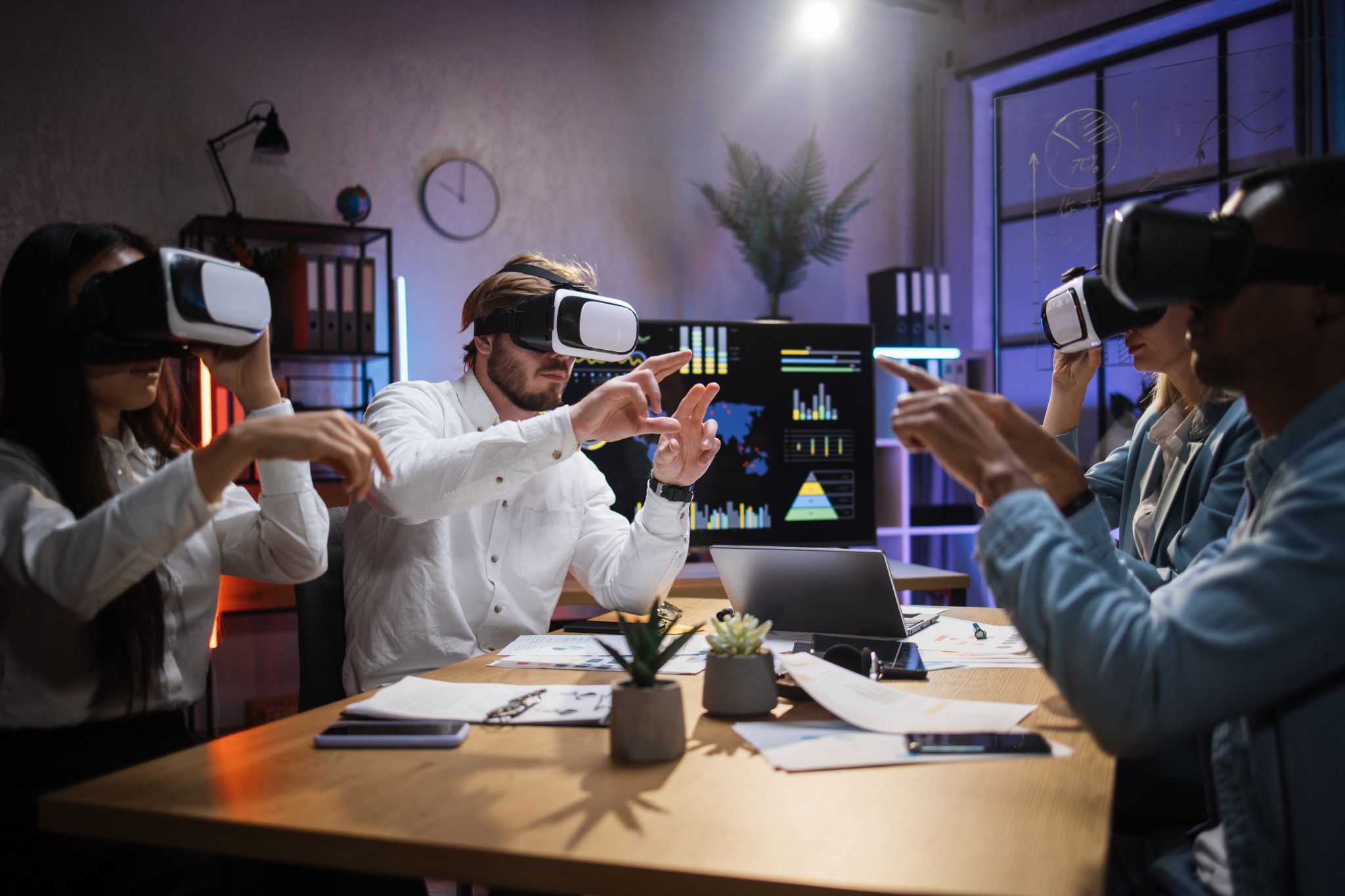
Virtual Reality (VR) is the next big thing in corporate training and development, and it will be widely adopted by the middle of the next decade.
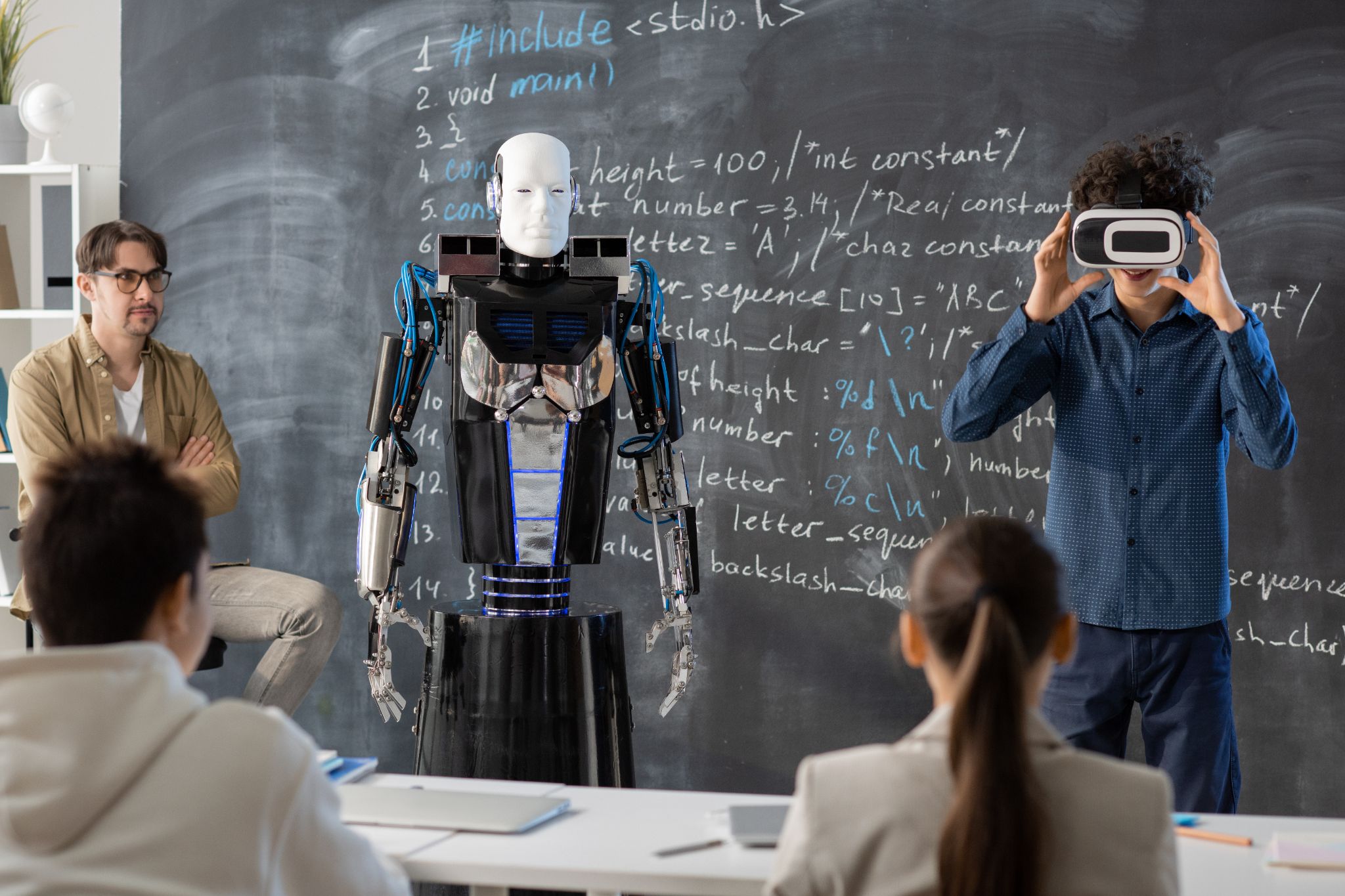
Across the globe, VR technology is reshaping the student experience, connecting communities of learners and providing student-centered experiential learning. Click the image for details.
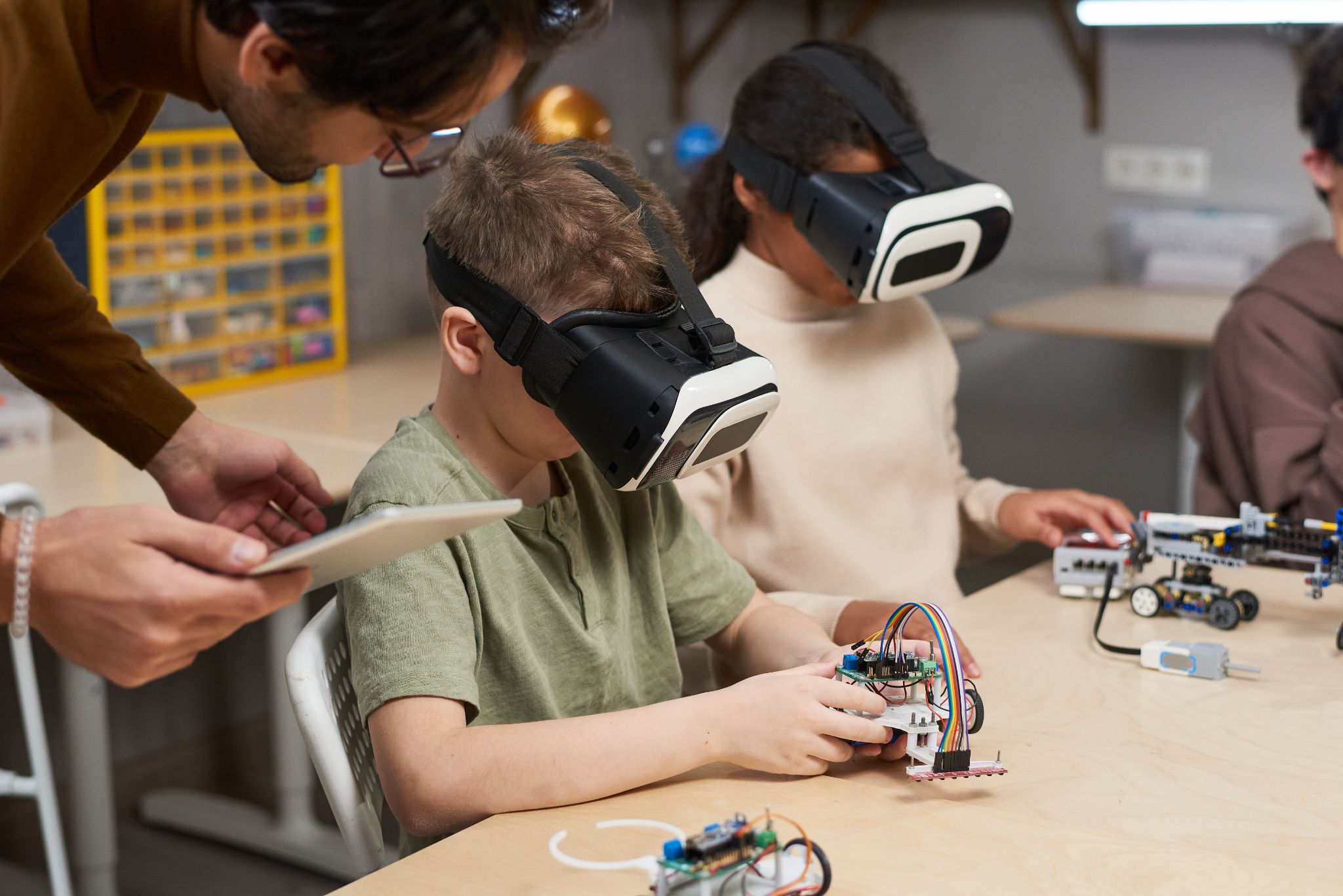
How does VR technology shape the learning experience of K-12 students? Click the image to navigate to this page for more information.
Here you'll find the citations for our research and resources. Click the image to navigate to this page